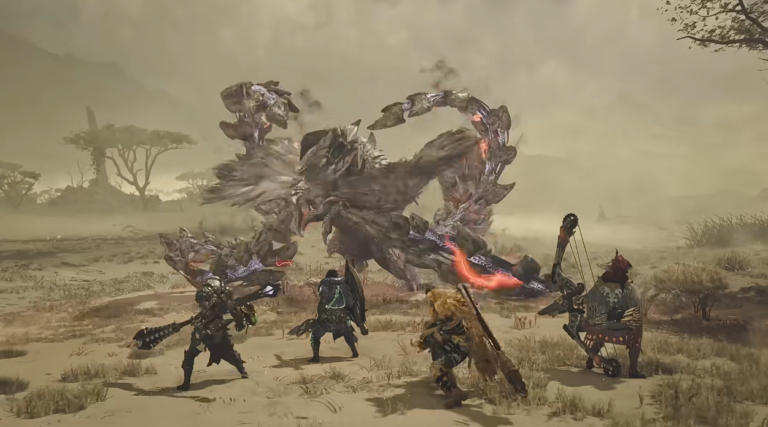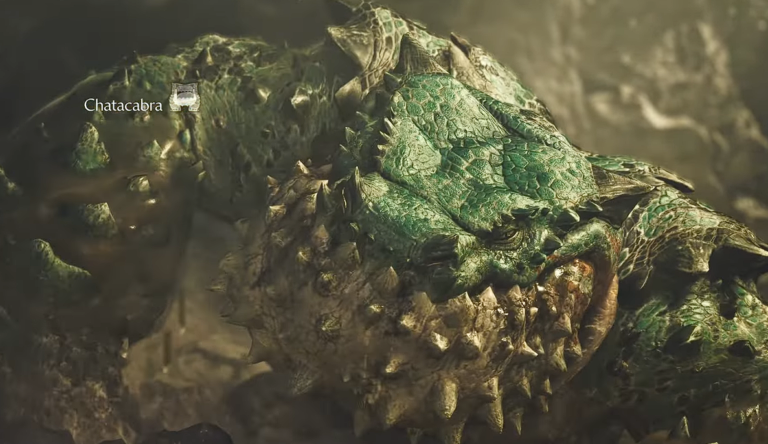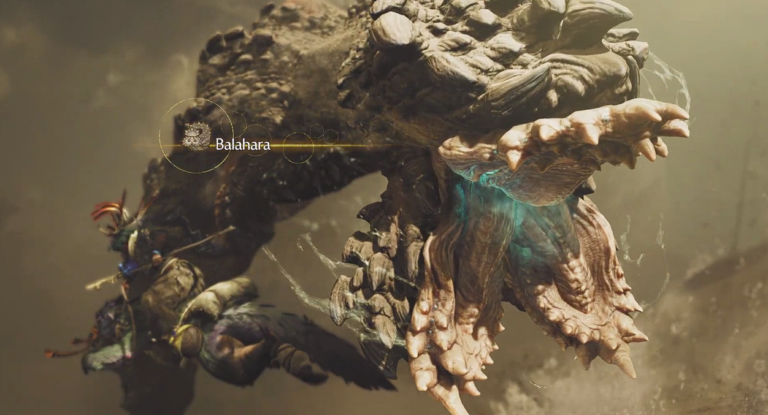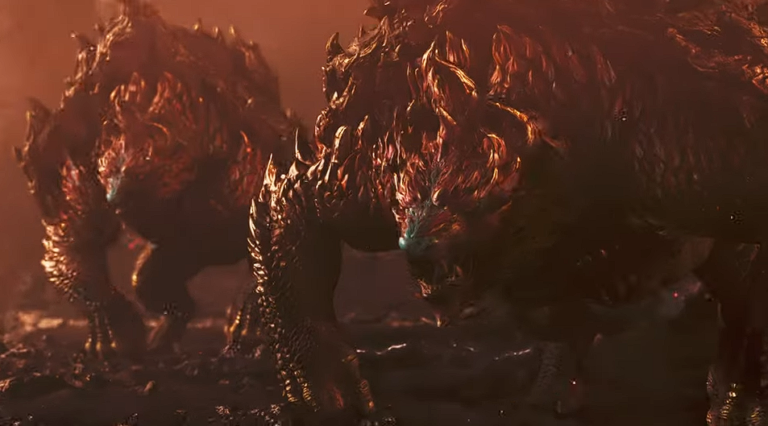
Japanese gaming media has been actively covering Monster Hunter Wilds throughout 2026, with several publications discussing the game from an industry perspective rather than gameplay analysis. Interviews with developers, commentary from journalists, and early market expectations reveal how important this release is for Capcom and the broader Japanese gaming market.
Below is a summary of the major themes appearing across Japanese reports.
Developer Interview Highlights
Several Japanese outlets featured interviews with Capcom producers discussing the direction of Monster Hunter Wilds and its role in the franchise’s future.
Key themes mentioned in interviews include:
- Expanding the Monster Hunter audience globally while maintaining its core hunting identity.
- Building on the success of Monster Hunter World, which dramatically increased the series’ international player base.
- Continuing to refine systems introduced in Monster Hunter Rise while pushing the series technically on modern hardware.
Some developers emphasized that Wilds represents a major step forward for the franchise’s scale and immersion, something Japanese media frequently described as the “next generation” phase of Monster Hunter.
Industry interviews also highlighted Capcom’s long-term plan to keep Monster Hunter as one of its core global brands, alongside series like Resident Evil and Street Fighter.
Japanese Media Reactions
Gaming publications in Japan generally view Monster Hunter Wilds as one of the most important releases for Capcom in the mid-2020s.
Common reactions from journalists include:
1. Confidence in Capcom’s momentum
After several successful releases, Japanese analysts believe Capcom has entered a strong development cycle. Media commentary often mentions the company’s ability to balance modern technology with familiar gameplay systems.
2. Strong brand recognition in Japan
Even with the franchise expanding internationally, Monster Hunter remains one of the most recognizable gaming brands in Japan. Media reports suggest strong anticipation among longtime domestic fans.
3. Continued global focus
Japanese outlets frequently highlight how the series shifted its strategy after Monster Hunter World. Many articles describe Wilds as another step toward a fully global blockbuster title rather than a primarily Japanese-focused release.
Sales Expectations from Industry Analysts
Japanese industry coverage often includes projections about how the game may perform commercially.
Common expectations mentioned include:
- Strong launch sales in Japan due to the franchise’s loyal fan base.
- Significant international sales, especially in North America and Europe.
- Continued long-term sales through updates and expansions, following the model used by previous Monster Hunter titles.
Analysts frequently reference the success of Monster Hunter World, which became Capcom’s best-selling game of all time, as a benchmark for Wilds’ potential performance.
Why Japanese Media Coverage Matters
Japanese gaming journalism often provides insight into industry sentiment rather than just player excitement. Reports tend to focus on:
- Development strategy
- Business impact
- Market expectations
- Franchise positioning
For Monster Hunter Wilds, the overall tone across Japanese media has been cautiously optimistic, with many outlets expecting the game to play an important role in Capcom’s future lineup.
Conclusion
Coverage from Japanese gaming media paints a clear picture: Monster Hunter Wilds is not just another sequel. For Capcom and the wider Japanese game industry, it represents a major release expected to continue the franchise’s global momentum.
As more interviews and reports emerge throughout 2026, industry observers will be watching closely to see how the next chapter of Monster Hunter performs both in Japan and worldwide.
About the Author