🎯 Purpose
Monster Hunter isn’t just about swinging the biggest weapon you can carry. It’s a quiet chess match disguised as a brawl. This guide teaches one of the most searched and misunderstood fundamentals: monster weaknesses.
If you understand this, hunts go from chaotic survival… to controlled domination.
⚡ Elemental Weaknesses — Hitting Where It Hurts
Every monster has a natural dislike for certain elements. Think of it like a bad allergy… but instead of sneezing, they stagger.
The main elements:
- 🔥 Fire
- ❄️ Ice
- ⚡ Thunder
- 🌊 Water
- 🐉 Dragon
In games like Monster Hunter: World and Monster Hunter Generations Ultimate:
- Rathalos hates Dragon and Thunder
- Diablos suffers heavily from Ice
- Teostra resists Fire but fears Water and Ice
👉 The key idea:
Using the right element doesn’t just increase damage… it accelerates the hunt pace dramatically.
A hunter using the wrong element is basically knocking on the monster’s armor.
The right element? You’re slipping a blade between the gaps.
🦴 Breakable Monster Parts — Strategic Destruction
Monsters are walking weak points… but only if you know where to aim.
Common breakable parts:
- Head
- Tail
- Wings
- Horns
- Claws
Breaking parts does more than cosmetic damage:
- 🧠 Head breaks → easier knockdowns, more stun potential
- 🦴 Tail cuts → reduces attack range and removes dangerous moves
- 🪽 Wing breaks → limits mobility or flying
- 🦏 Horn breaks (Diablos, Kirin) → weakens signature attacks
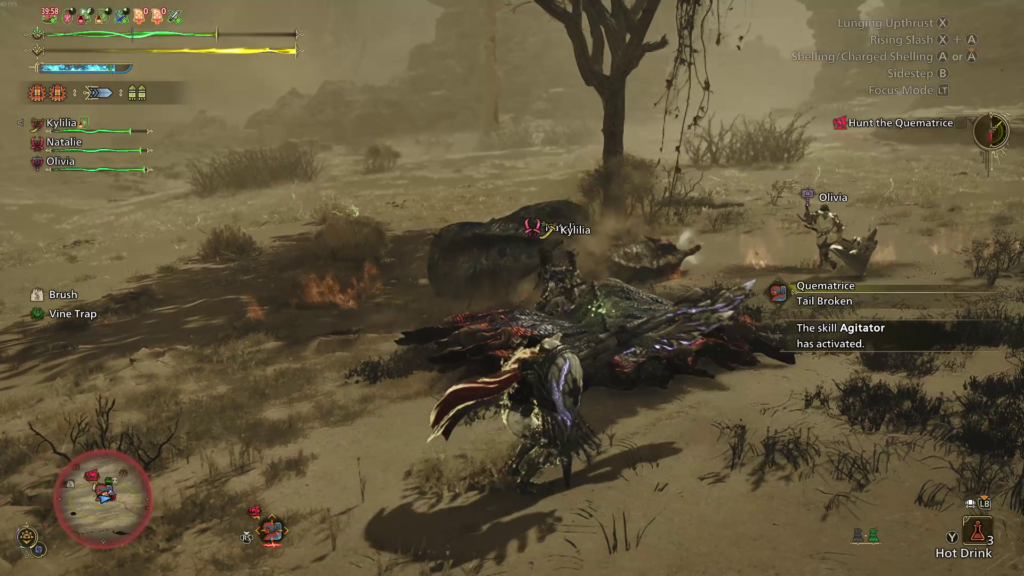
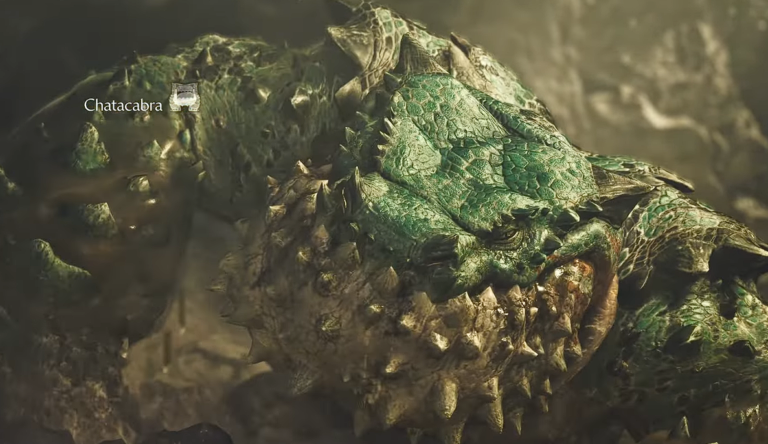
Image captured from Monster Hunter Wilds (© Capcom)
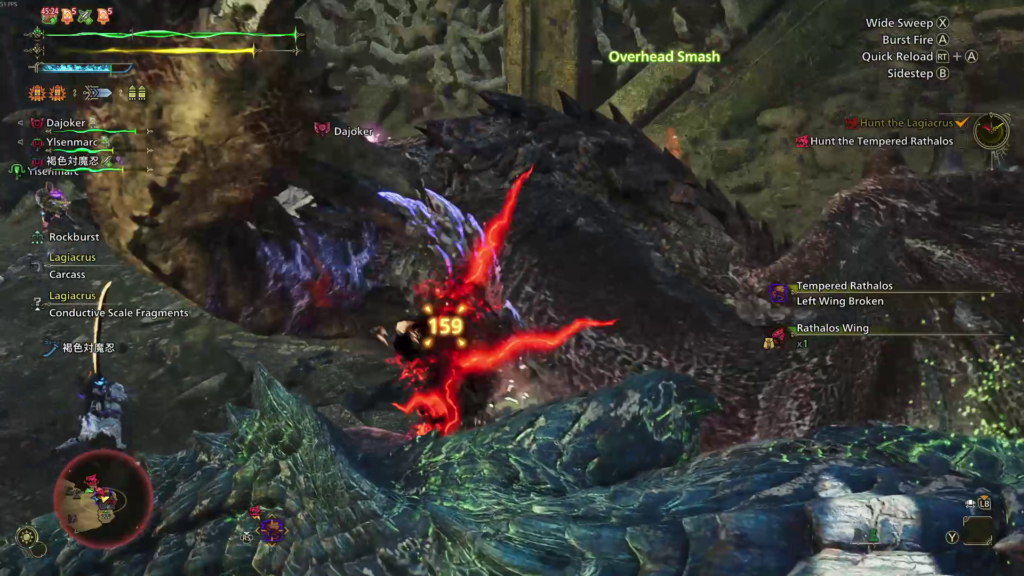
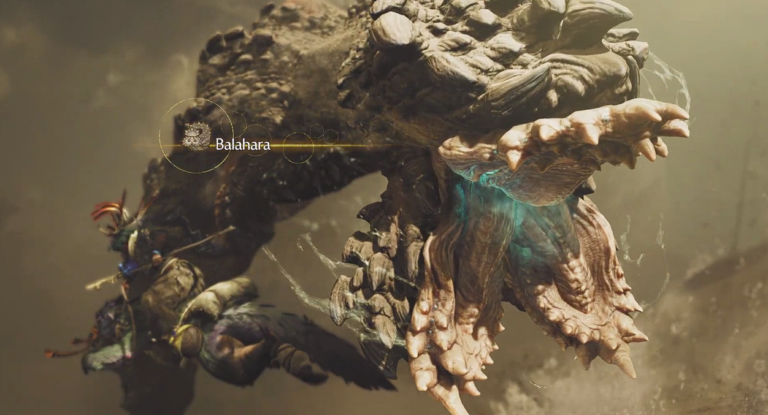
Image captured from Monster Hunter Wilds (© Capcom)
Example from older titles:
- Cutting Rathalos’ tail reduces poison tail attacks
- Breaking Barioth’s claws slows its movement
👉 Hidden mechanic many beginners miss:
Different weapon types excel at different parts.
- Bladed weapons → tails
- Blunt weapons → heads (KO potential)
- Ranged → hard-to-reach weak spots
It’s not just what you hit.
It’s how you hit it.
☠️ Status Effects — The Silent Advantage
Status effects are like setting traps inside the monster’s bloodstream.
Common status effects:
- 💀 Poison → gradual health drain
- 😴 Sleep → massive burst damage opportunity
- ⚡ Paralysis → temporary lockdown
- 💥 Blast → delayed explosive damage
In classic hunts:
- Sleep → place bombs → wake monster = HUGE damage spike
- Paralysis → free combo window for the entire team
- Poison → constant pressure even while repositioning
👉 Important distinction:
- Elements = direct damage boost
- Status = control and tempo advantage
A well-timed paralysis can do more for a team than raw damage ever could.
🧠 How It All Comes Together
A skilled hunter doesn’t just attack randomly. They layer these systems:
- Choose the correct element
- Target specific body parts
- Apply status effects at key moments
That’s when the hunt transforms.
Instead of:
“Why is this monster so tanky?”
You start thinking:
“Break the horns, apply paralysis, switch to elemental pressure.”
🏹 Final Insight
Monster Hunter has never been about brute force alone. Even back in early titles, success belonged to hunters who studied their prey like a blueprint.
About the Author