The Monster Hunter franchise has grown into one of Capcom’s most successful game series. Since its first release in 2004, the series has continued to evolve while keeping its core hunting gameplay intact. Each major entry introduced new systems, environments, and mechanics that gradually shaped the modern Monster Hunter experience.
Understanding the evolution of the series helps explain how Monster Hunter Wilds fits into the larger history of the franchise, a topic we first discussed in our article Monster Hunter Wilds Gameplay and New Features: Everything We Know So Far.
The Beginning of Monster Hunter
The first Monster Hunter game launched on the PlayStation 2 in 2004. At the time, the game introduced a unique concept: players would hunt large monsters, gather materials, and craft stronger equipment.
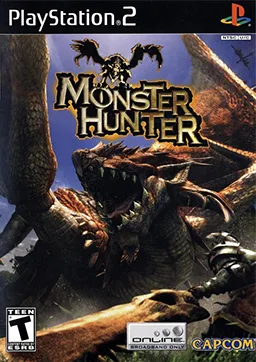
Image Credit : Capcom
Instead of following a traditional action game structure, Monster Hunter focused heavily on preparation and teamwork. Players studied monster behavior, chose the right weapons, and coordinated with others during hunts.
Although the early games were challenging, they developed a dedicated fan base, particularly in Japan. Early reactions and discussions around the series in Japan were highlighted in our Japan Update 2026 #1 – Early Reactions from Japanese Gaming Media.
Portable Titles and Growing Popularity
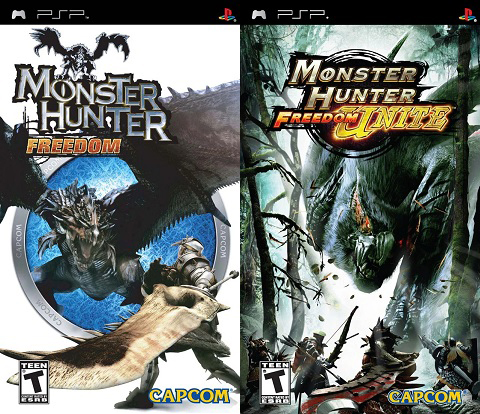
Image Credit : Capcom
The series gained significant popularity with the release of Monster Hunter Freedom and Monster Hunter Freedom Unite on the PlayStation Portable.
Portable play made the game especially popular in Japan, where players could hunt together locally. Multiplayer hunting sessions became a major part of Monster Hunter culture.
During this period, the series began introducing new monsters, weapon improvements, and expanded quest systems that would become standard features in later games.
Expanding the Formula
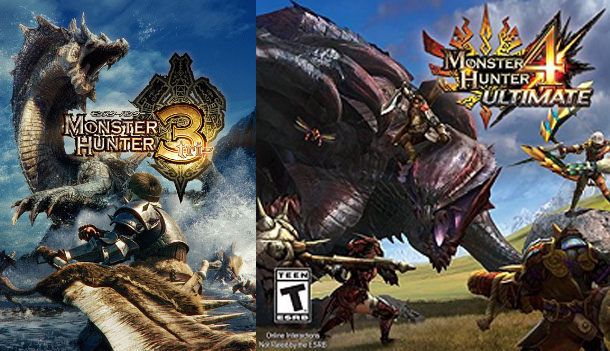
Image Credit : Capcom
Later titles such as Monster Hunter 3 (Tri) and Monster Hunter 4 introduced new gameplay ideas. These included underwater combat, improved monster animations, and vertical movement in environments.
Each entry refined the core hunting loop:
• track monsters
• prepare equipment
• complete hunts
• craft stronger gear
Many of these gameplay systems later influenced design changes discussed in What Makes Monster Hunter Wilds Different from Previous Titles.
Monster Hunter World and Global Success
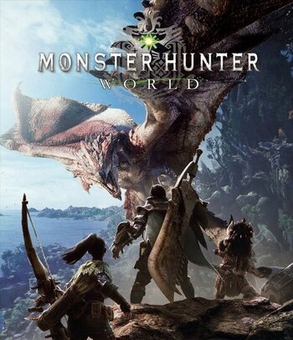
Image Credit : Capcom
A major turning point for the franchise came with the release of Monster Hunter World in 2018. This title brought the series to modern consoles with larger environments, improved graphics, and a more detailed ecosystem.
Monster Hunter World attracted millions of new players around the world. It also introduced features designed to make the game more accessible to newcomers while maintaining the depth long-time fans enjoyed.
The game became Capcom’s best-selling title and significantly expanded the global audience of the series.
Monster Hunter Rise and Mobility Improvements
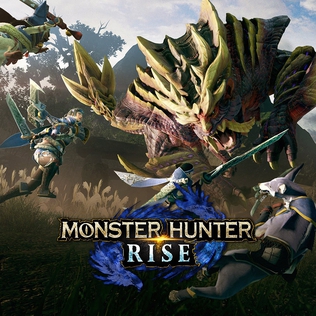
Image Credit : Capcom
Following the success of Monster Hunter World, Capcom released Monster Hunter Rise in 2021. This entry focused on faster movement and new traversal mechanics.
The introduction of the Wirebug system allowed hunters to move more freely across the environment and perform new combat techniques. Rise also added new monsters and a region inspired by Japanese folklore.
These changes demonstrated that the series could continue evolving while maintaining its core gameplay.
Monster Hunter Wilds and the Next Stage of the Series
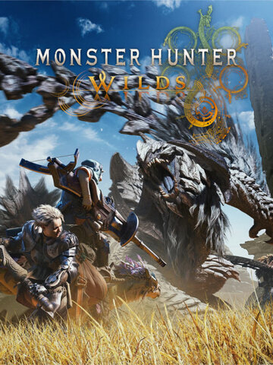
Image Credit : Capcom
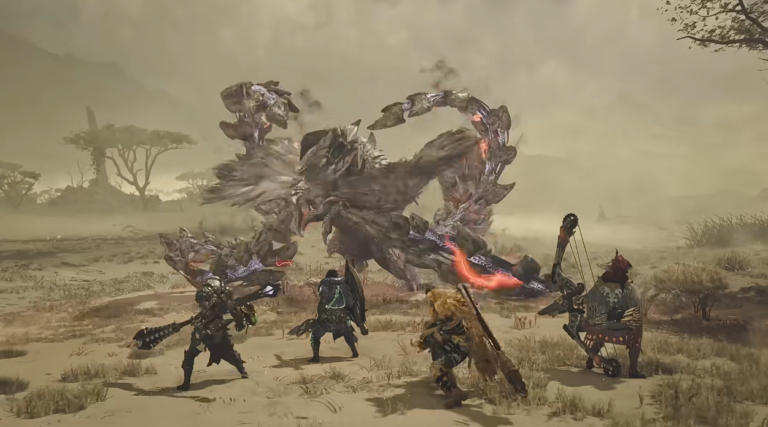
The most recent major entry is Monster Hunter Wilds, which launched globally on February 28, 2025.
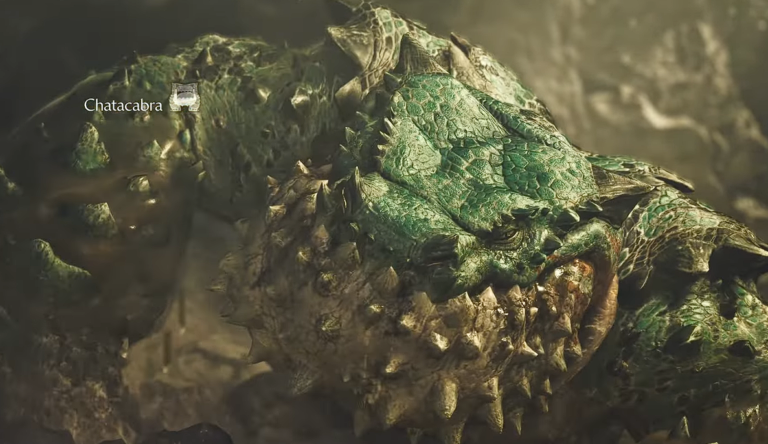
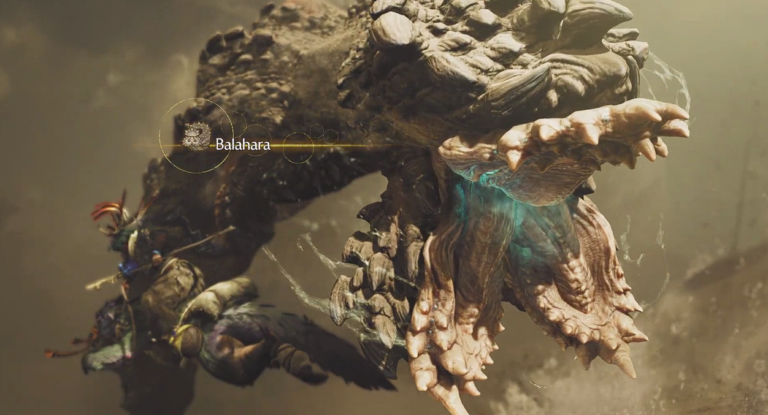
Monster Hunter Wilds expands the scale of the hunting experience with larger environments, dynamic weather systems, and more complex ecosystem interactions. The game builds upon the ideas introduced in Monster Hunter World while continuing to refine the series’ signature hunting mechanics.
Rather than changing the core gameplay loop, Wilds focuses on making the world feel more alive and immersive during hunts.
Looking Ahead
The Monster Hunter series has grown from a niche PlayStation 2 title into a global franchise. Over the years, each game has refined the hunting experience while introducing new mechanics and ideas.
With the release of Monster Hunter Wilds, Capcom continues to push the series forward while preserving the gameplay formula that made Monster Hunter unique.
In the next article, we will return to the Japan Update series and explore discussions from Japanese player communities.
About the Author