What Do Players Actually Do in Monster Hunter?
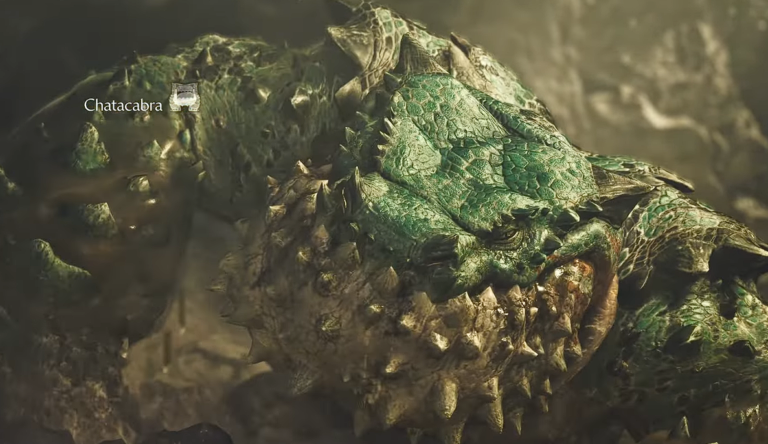
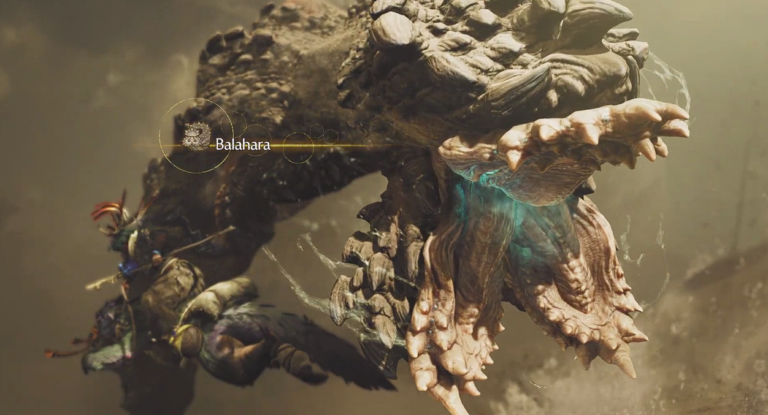
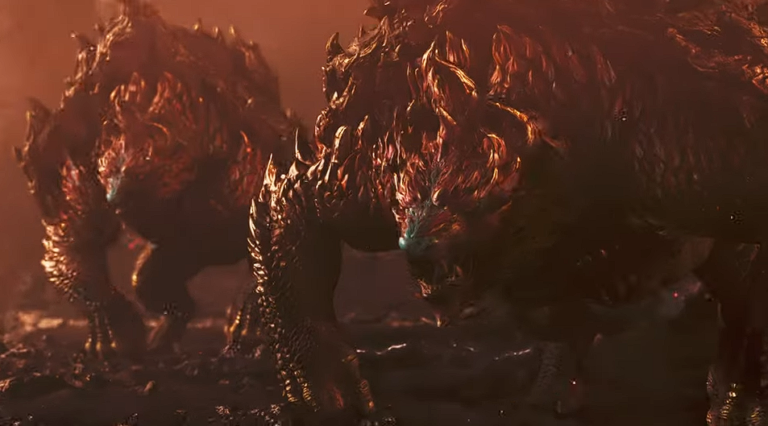
Imagine stepping into a vast wilderness where every hunt is a story waiting to unfold. In the Monster Hunter series, players take the role of a hunter whose job is to track, fight, and defeat powerful monsters that roam different environments.
Unlike many action games where the goal is simply defeating enemies, Monster Hunter is about preparation, strategy, and patience. Each hunt feels like a mini expedition where planning matters as much as combat.
At its core, the gameplay loop works like this:
- Accept a hunting quest
- Prepare your gear and items
- Track and fight a monster
- Gather materials from the hunt
- Craft stronger equipment
- Repeat with tougher monsters
Every hunt makes you stronger, unlocking new weapons, armor, and monsters to challenge.
Understanding Hunting Quests
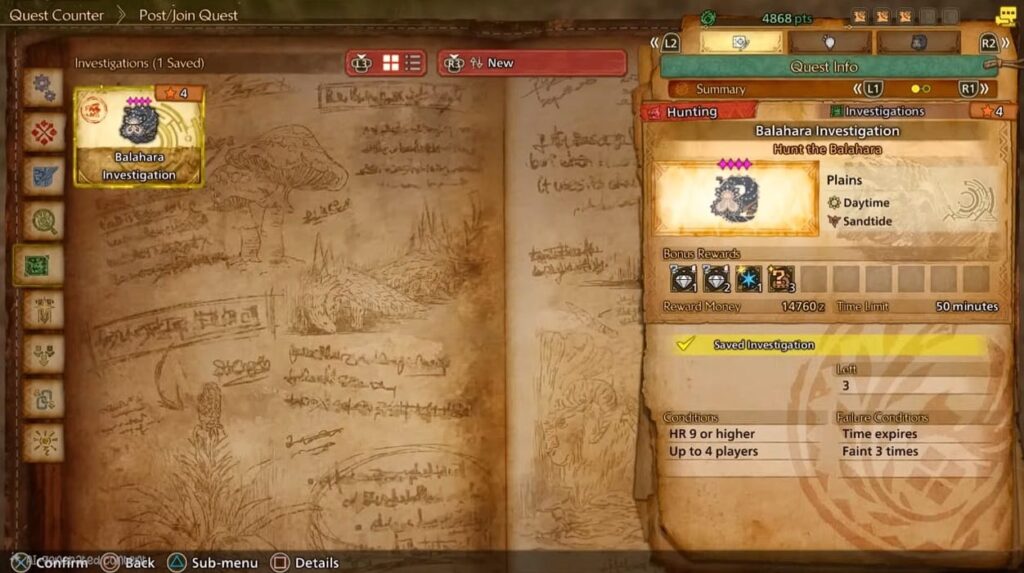
In Monster Hunter, gameplay revolves around quests.
Hunters visit a village or hub where they choose missions from a Quest Board or Quest Counter. These quests usually include objectives like:
- Hunt a specific monster
- Capture a monster alive
- Gather materials from the environment
- Eliminate small monsters
Most quests have a time limit (usually around 50 minutes), giving players enough time to track and defeat their target.
Completing quests rewards players with:
- Monster parts
- crafting materials
- currency
- progress to harder missions
Think of quests as chapters in your hunter’s journey. Each one teaches you something new.
Gathering Materials
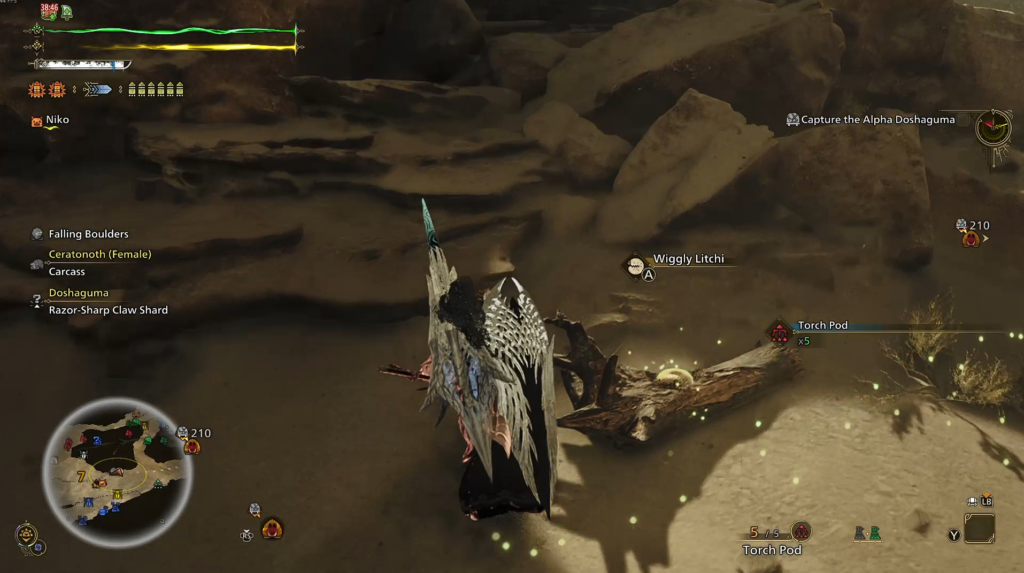
Before and during hunts, players explore the environment to collect useful materials.
These include:
- Herbs → used to craft healing potions
- Ore → used to forge weapons and armor
- Mushrooms & plants → used for consumables
- Monster parts → obtained after defeating monsters
Gathering is important because items keep hunters alive during dangerous battles. Running out of healing items in the middle of a hunt can quickly turn victory into defeat.
Exploration often rewards curious players with hidden resources scattered across the map.
Crafting Weapons and Armor
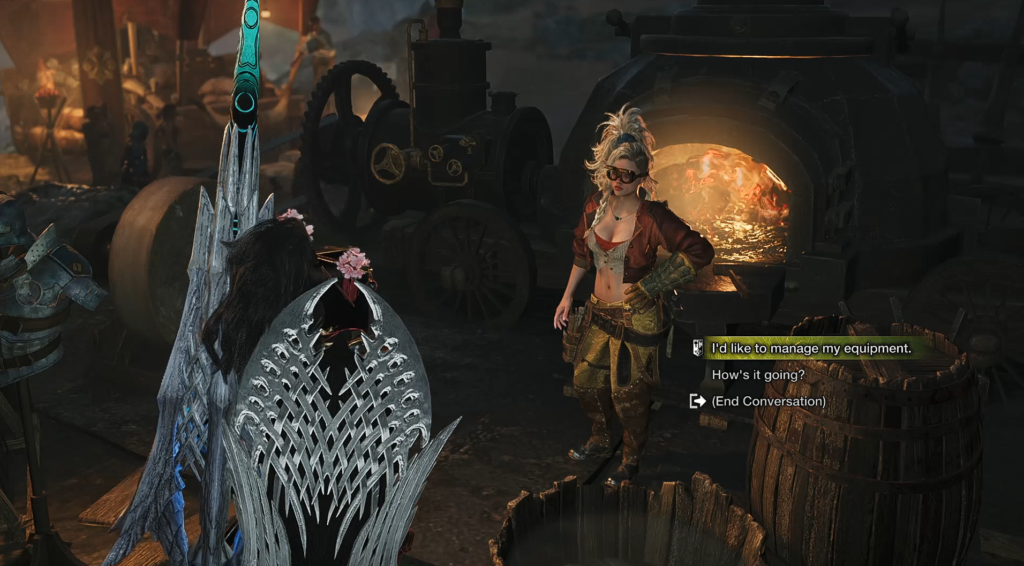
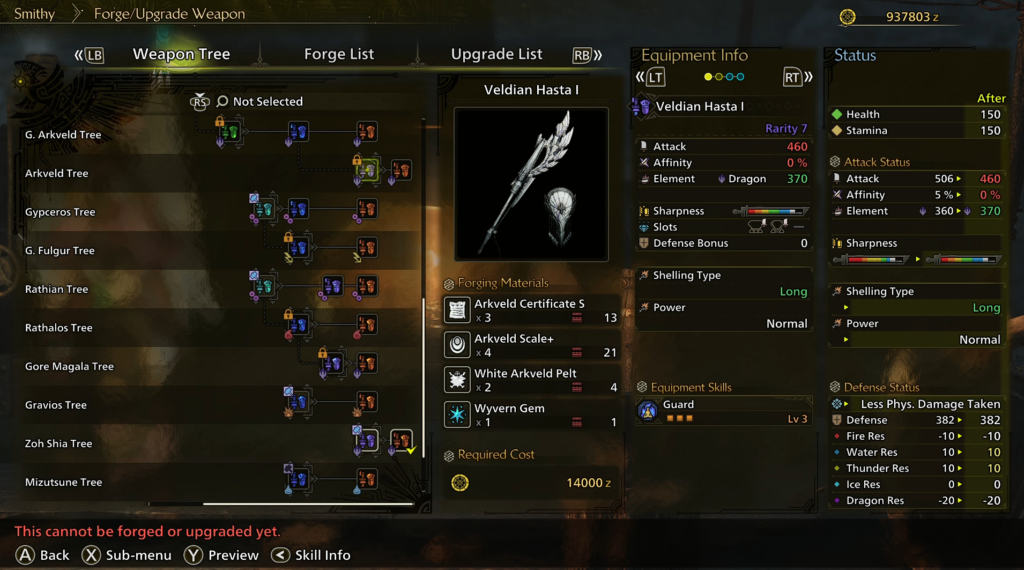
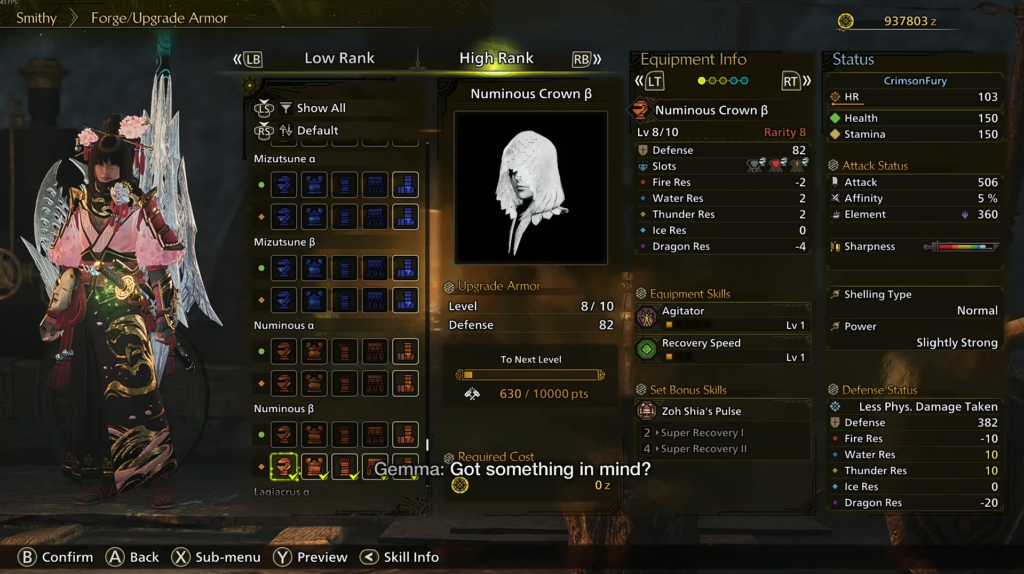
After completing hunts, players bring collected materials to the blacksmith.
Here they can forge:
- Weapons with different playstyles
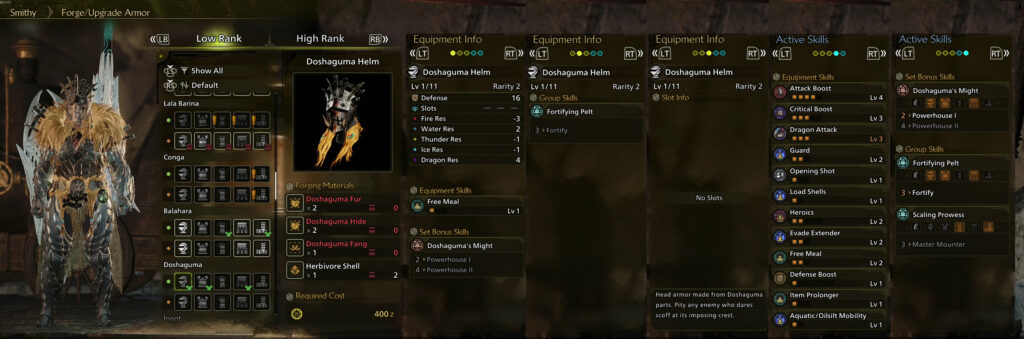
- Armor sets that increase defense
- Upgrades that make equipment stronger
Every monster provides unique materials, meaning each hunt unlocks new crafting possibilities.
For example:
- A monster’s claws may become a sword
- Its scales may form armor
- Rare parts create powerful upgrades
This crafting system is what drives the progression of the entire series.
The Core Idea of Monster Hunter
Monster Hunter is built around a simple but addictive cycle:
Hunt → Gather → Craft → Hunt Stronger Monsters
Each monster teaches players something new about timing, positioning, and preparation.
For beginners, the key mindset is:
- Learn monster behavior
- Upgrade equipment gradually
- Prepare items before every hunt
- Improve your combat skills over time
The series rewards patience and learning. Even experienced hunters started by struggling with their first monster.
Why the Series Is Beginner-Friendly
Even though the monsters are huge and intimidating, Monster Hunter is designed to help players learn step by step.
Early quests introduce:
- basic combat
- gathering resources
- simple monsters to practice on
As players gain experience, they naturally move toward more complex hunts and stronger equipment.
Over time, beginners become skilled hunters capable of taking down massive creatures.
About the Author