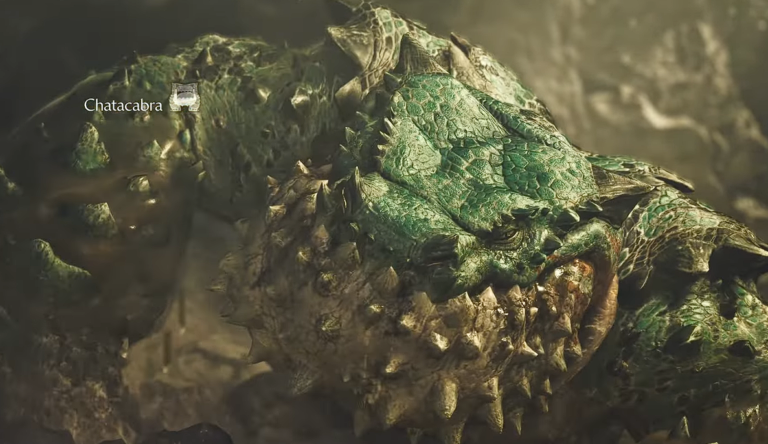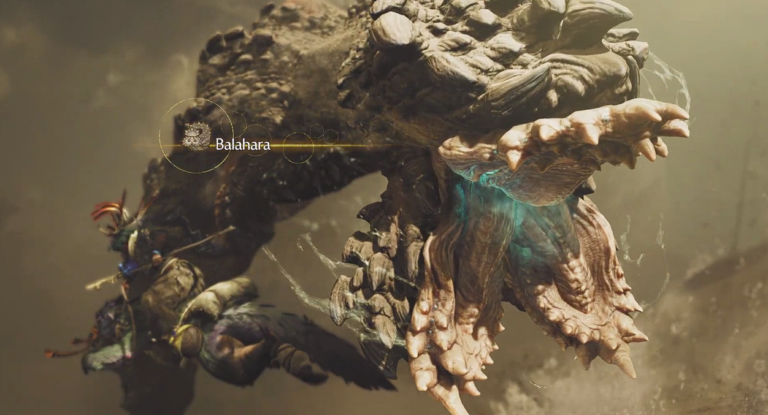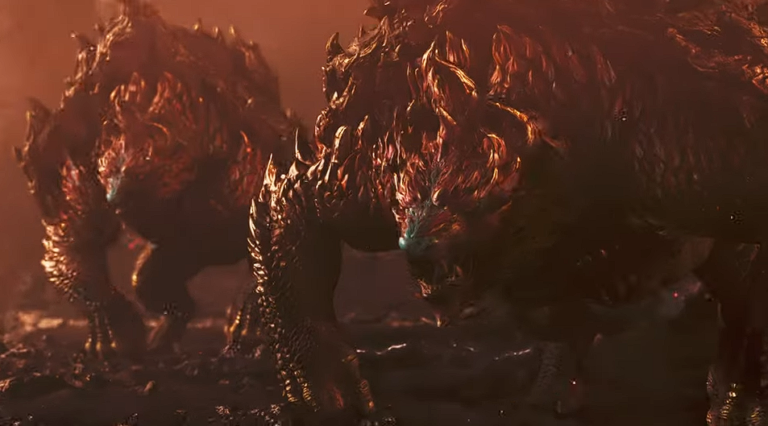
The heart of the Monster Hunter series is a gameplay loop that feels like a hunter’s ritual. Every quest follows a cycle: prepare → track → hunt → craft → repeat. Instead of rushing straight into battle, players act like real hunters, studying their prey, choosing the right equipment, and slowly mastering the ecosystem.
Below is a beginner-friendly breakdown of how hunting works across the Monster Hunter series.
1. Preparation: The Hunt Begins Before You Leave
Before entering a quest, hunters must prepare carefully. Each monster has different strengths, weaknesses, and behaviors, so equipment choices matter.
Typical preparation includes:
- Selecting a weapon such as Great Sword, Long Sword, Bow, or Hammer
- Equipping armor that provides useful skills or resistances
- Packing items like potions, traps, whetstones, and antidotes
- Eating a meal to gain temporary buffs (health, stamina, attack)
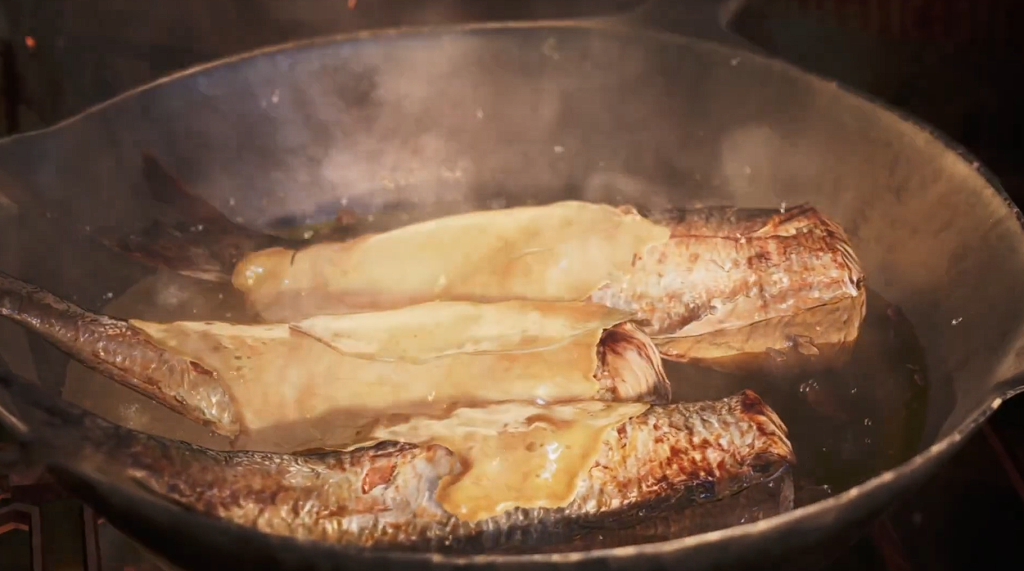
For example, in Monster Hunter Tri and Monster Hunter 4, hunters often prepared flash bombs and traps before fighting flying monsters like Rathalos. Proper preparation could make a difficult hunt much easier.
Preparation turns each quest into a small strategy puzzle before the battle even begins.
2. Tracking the Monster
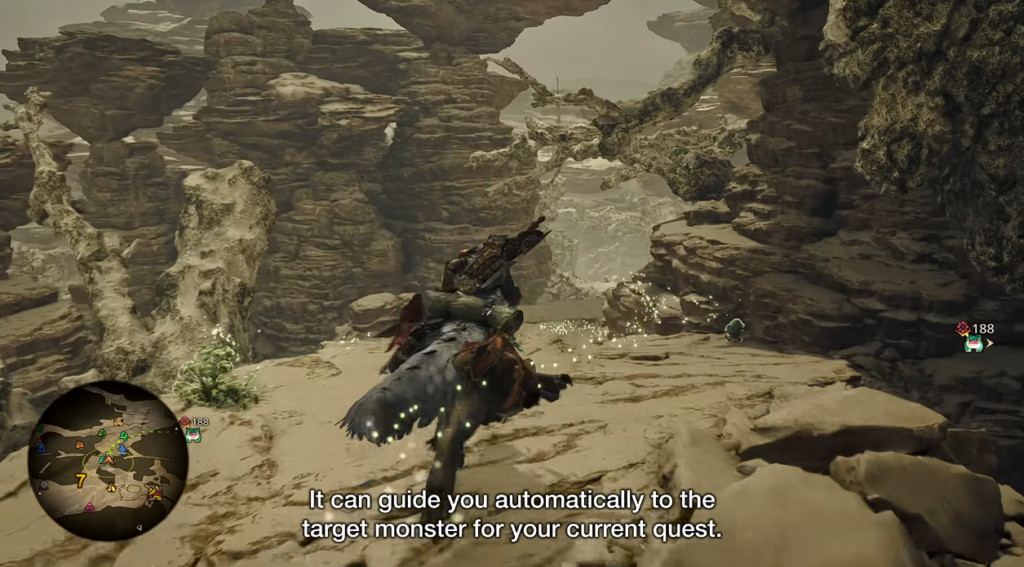
Image Credit : Capcom
Once the hunt starts, players must locate the monster in the environment.
Earlier Monster Hunter games used several tracking mechanics:
- Footprints, scratches, or slime trails revealed a monster’s path
- Paintballs marked the monster so it appeared on the map
- Scoutflies (introduced later) automatically followed tracks
For instance, in older titles like Monster Hunter 4, players often searched multiple map zones before finally encountering the target monster.
Tracking adds tension and immersion, making the hunt feel like a real expedition rather than a simple boss fight.
3. Combat: Learning the Monster’s Behavior
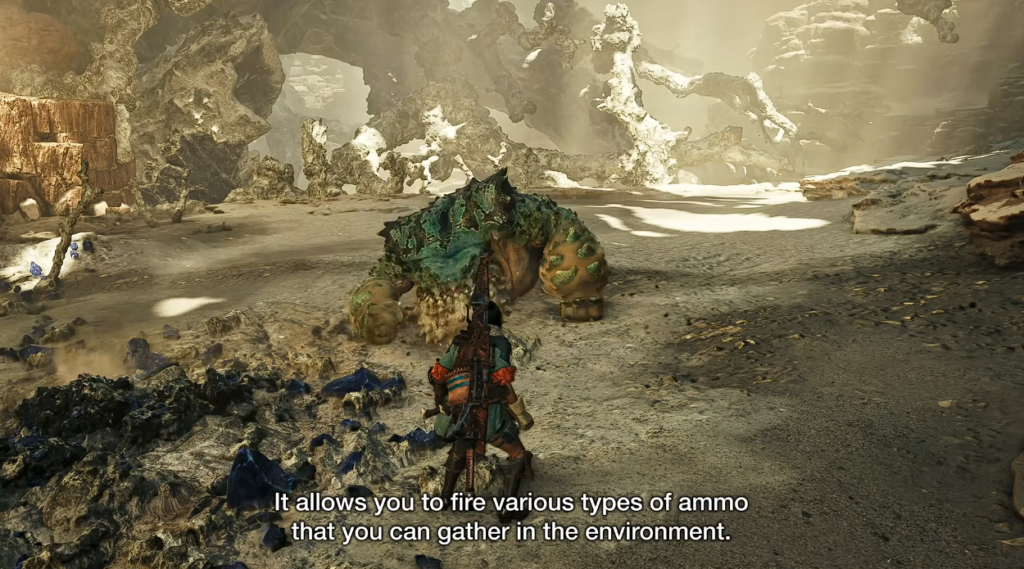
Image Credit : Capcom
Combat in Monster Hunter is methodical rather than fast button-mashing.
Each monster has:
- Unique attack patterns
- Specific weak points
- Enrage states and behavioral changes
Hunters must:
- Observe the monster’s movements
- Dodge or block attacks
- Strike during safe openings
For example, a Great Sword user might wait patiently for a monster to finish attacking before delivering a single powerful charged strike.
Unlike many action games, success comes from patience, positioning, and knowledge of the monster, not just raw reflexes.
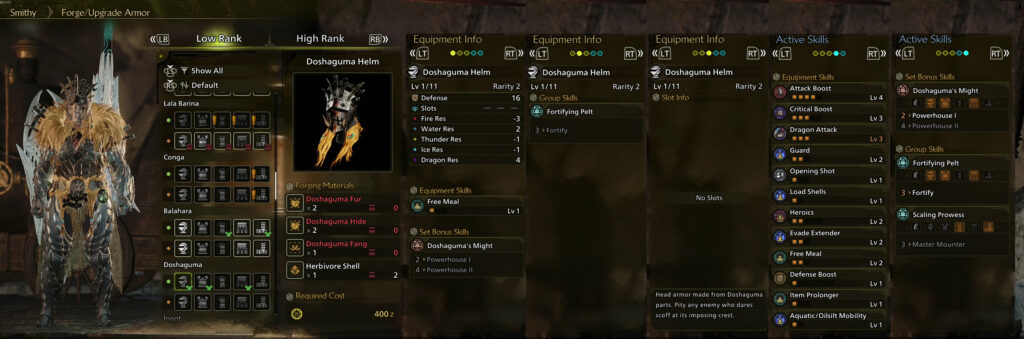
4. Crafting Gear from Monster Parts
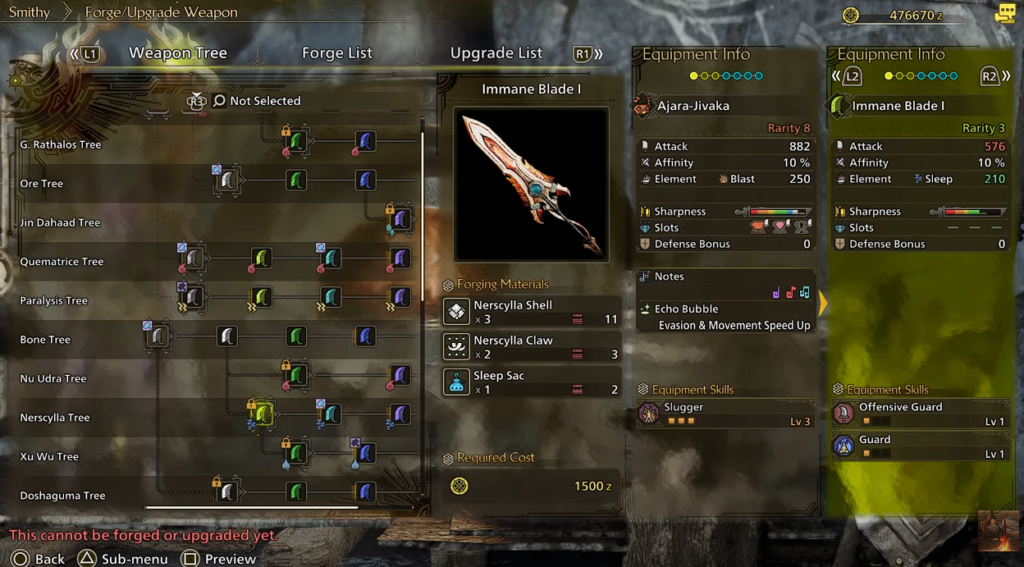
After a successful hunt, the monster’s carved materials become the foundation for stronger gear.
Common materials include:
- Scales
- Claws
- Shells
- Rare gems or plates
These materials are used at the smithy to create:
- New weapons
- Armor sets
- Weapon upgrades
For example, defeating Rathalos repeatedly allows hunters to craft the Rathalos armor set, which often boosts attack skills.
This crafting system creates a satisfying progression loop: hunt monsters → craft gear → hunt stronger monsters.
5. The Core Loop That Defines Monster Hunter
At its core, every Monster Hunter game follows the same rhythm:
- Prepare equipment and items
- Track and locate the monster
- Engage in strategic combat
- Collect materials after the hunt
- Craft stronger weapons and armor
Then the cycle begins again with tougher monsters.
This loop is why the series has remained popular for nearly two decades. Each hunt teaches the player something new, slowly turning beginners into experienced hunters.
About the Author